
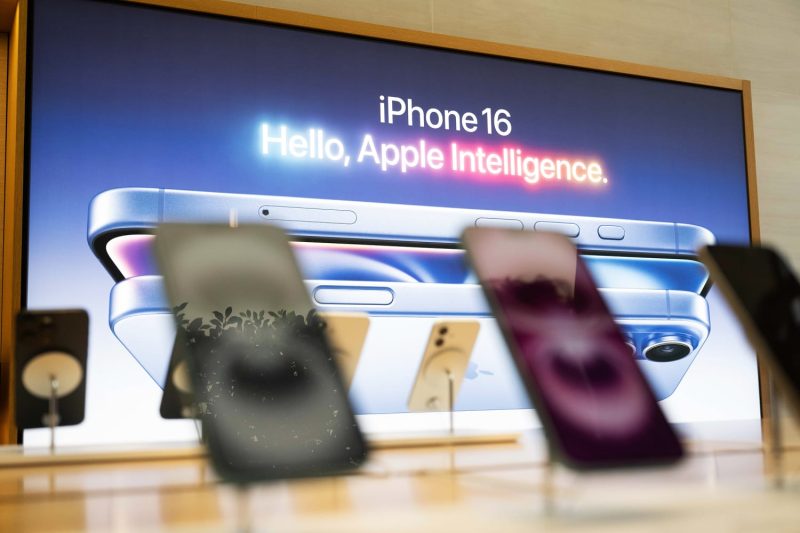
As Apple prepares Apple Intelligence to jump into Silicon Valleyâ€

IPhone users will get their first taste of Apple Intelligence, the companyâ€
Appleâ€
Where Apple is hoping to distinguish its AI is that Siri may actually be able to do things on your phone — send emails, decipher calendars and take and edit photos. Thatâ€
“Siri will have the ability to take hundreds of new actions in and across apps,â€� said Appleâ€
Apple can easily make this happen for its own apps, but for Apple Intelligence to interact with the millions of non-Apple apps, it needs developers to embrace a new way of programming their apps. This means developers will need to create as many as hundreds of snippets of additional code called App Intents.
Apple has a strong history of getting its developers to support new platform initiatives, and itâ€
If third-party developers jump on board and the Siri system works as advertised, it could represent one of Appleâ€
“You should be able to string things together and kind of get that future weâ€
Whether Apple is successful at cajoling its millions of developers is a critical question, and the stakes are high for the company.
The company is relying on Apple Intelligence, which only works on last yearâ€
Inside the Music app, for example, Apple has built about 10 intents, including actions like “Add to Playlist,� “Play Music,� or “Select Music.� A single app intent should define a single action, programmers say.
If you take a caffeine tracking app, for example, one intent would be the ability to show an overview of exactly how much caffeine the user has logged today, Morgan said.
When that App Intent is finished, Appleâ€
System search is another big draw for some developers. App Intents will allow apps to surface specific emails or other more granular data inside Spotlight, Appleâ€
App Intents donâ€
In previous years, Apple recommended that developers adopt App Intents for their most important features, said Michael Tigas, the developer of Focused Work, a productivity app.
“Now, if thereâ€
Fortunately for developers, they still have time to write all the code necessary for App Intents. While Apple Intelligence is starting to roll out next month, the biggest improvements to Siri arenâ€
Appleâ€
That means that Siri will be much more flexible in understanding the hundreds of different ways a user could phrase, for example, “apply a photo filter to an image I took yesterday.�
Apple has to train and test its model to understand the range of the most likely commands and questions for any given category of apps.
A downside to Appleâ€
Developers are already imagining how they might plan for users to interact with their apps with their voices.
A representative for Superhuman, a premium email app, told CNBC that it plans to use Appleâ€
Thereâ€
“If this story were only about App Intents, developers would worry that their products might be reduced to the role of the plumbing that powers Siri, and leave them unclear on how to build sustainable businesses around it,� Igor Zhadanov, CEO under of Readdle, which makes email app Spark, wrote in an email.
Another drawback is that Apple Intelligence features will only be available on the latest iPhones, a small subset of the total iPhone user base. That limited market of iPhone users may discourage developers from investing time and effort into supporting the technology in the near term.
“Apple are limiting these kinds of Apple Intelligence features to the new 2024 iPhones and the expensive models from last year, so you wonâ€