
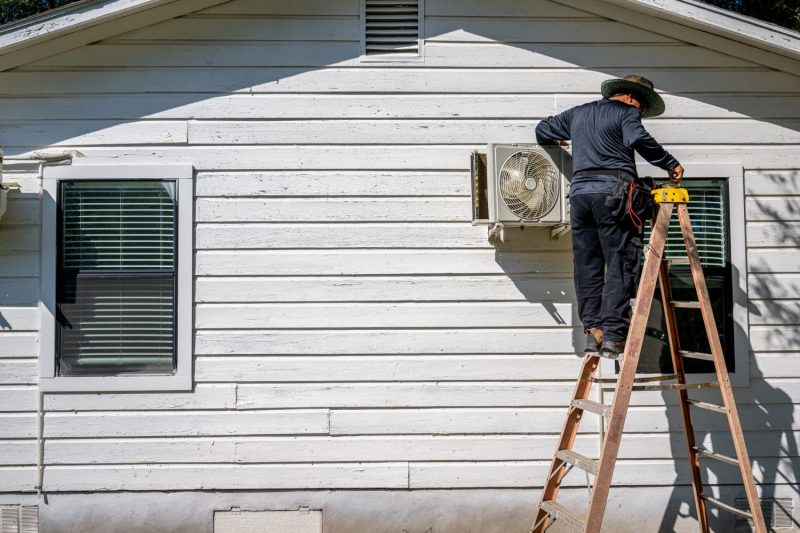
The average cost of keeping an American home cool from June to September is set to hit $719, nearly 8% higher than last year, according to new projections from advocates for low-income households. That level would be the highest in a decade, and a steep jump from the $573 average in 2021.
Organizations distributing federal financial support expect theyâ€

“Itâ€
2024 is expected to rank among the five warmest years in recorded history, the National Oceanic and Atmospheric Administration has said, and this year has a 61% chance of being the hottest on record. Already last month, scorching heat and humidity descended on parts of Texas, the Gulf Coast and South Florida.
Last summer, too, was severely hot. Phoenix, for example, endured a record-breaking 31 consecutive days of temperatures at or above 110 degrees Fahrenheit.
Electric costs this summer will vary geographically, from as low as $581 on average for the season in Wisconsin, Michigan, Illinois, Indiana and Ohio, to as high as $858 in Texas, Oklahoma, Arkansas and Louisiana, the report said. While bills in the latter region are forecast to rise only 1.8%, the mid-Atlantic is expected to see a 12% increase in summer electric bills since last season.
Many households face imminent risks, the report said, from taking on debt to finance their cooling bills to suffering potentially dangerous utility shut-offs for nonpayment. Only 17 states and Washington, D.C., offer residents some protections against shut-offs, the report said, and nearly 1 in 5 “very low income� families have no home air conditioning at all.
LIHEAP was originally devised to help low-income residents cover their heating bills during cold winter months. But soaring summertime temperatures have added pressure to the program. This year about 80% of its funds will cover heating expenses, leaving just 20% to supplement cooling bills, the advocacy groups estimated.
“These estimates could, in fact, understate the final costs of home cooling this summer if temperatures continue to reach record levels,� the report warned.
LIHEAP administrators in many states have been sounding alarms in recent years over higher seasonal temperatures, saying rising summertime demand is outstripping the available funding. Unlike safety-net programs like Medicaid or food stamps, LIHEAP canâ€
Brian Sarensen, who manages Washington stateâ€
“We may be sacrificing how much heating assistance we give in the winter to hold over for the summer,â€� he told NBC News last summer, when a series of blistering heat waves drove up air conditioning usage across the country. “But at the same time, then youâ€
Some relief could come this year in states that are offering residents income-based subsidies on their electricity bills, Wolfe said.
For example, thereâ€
Already, though, ballooning energy bills are squeezing the least well-off, the report warned. Researchers found 23.5% of households couldnâ€
To cover energy bills, many low-income families are making difficult cutbacks elsewhere. More than 1 in 3 said they reduced or went without basic household expenses at least once in the last 12 months due to energy costs, with the biggest increase again among those with kids — for a rate of 41.5%.
“Weâ€