
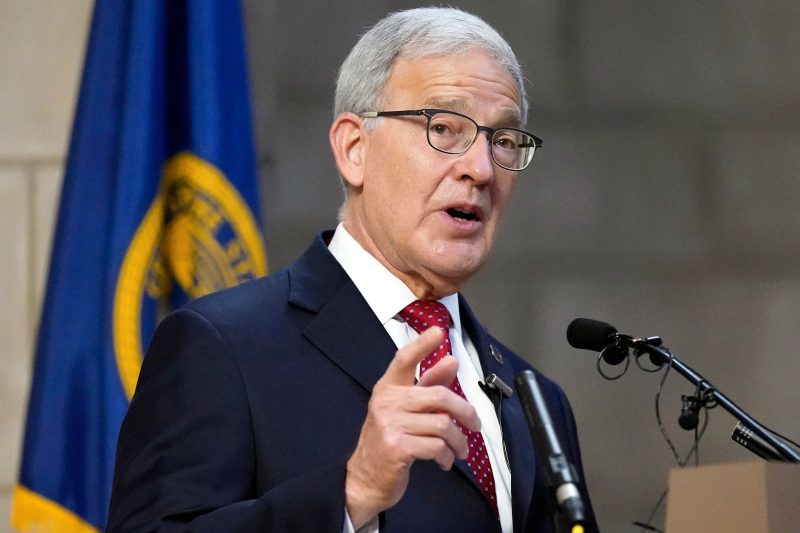
Nebraska residents who were convicted of felonies and have finished their sentences can vote in the November election, the stateâ€

The ruling could have implications for the presidential race as Nebraska, which is solidly red, is one of two states that awards some of its electoral votes by congressional district.
Wednesdayâ€
Shortly after Evnen gave the directive, the American Civil Liberties Union and others sued, saying that Evnenâ€
Nebraskaâ€
In recent years, multiple states have moved to allow people with felony convictions to vote. According to the ACLU, 15 states allow people with felony convictions to vote only upon completion of their sentence and 10 others allow some felons to vote, while restricting others based on the nature of their offense or whether they have been pardoned. In most of the other states, people who are in prison cannot vote, but everyone else can. Two states, Maine and Vermont, allow everyone to vote.
Jeremy Jonak, a plaintiff in the lawsuit to enforce L.B. 20 in Nebraska, described the ruling as a “weight off my shoulders.â€� Jonak, a resident of Hall County, Nebraska, had completed the sentence for his felony conviction and wanted to register to vote, according to the ACLUâ€
“Over the years, so many of us have earned a second chance,� Jonak said in a statement Wednesday. “We live in every part of the state, and the truth is most of us are just trying to live our lives and leave the past behind us. Thanks to this decision, we get to have a say as part of our communities.�
Evnen said in a statement Wednesday that his office would be “following the requirements of the decision,� adding that it was “working to ensure that those who were made eligible to register to vote under LB 20 may now do so.�
Nebraskaâ€