
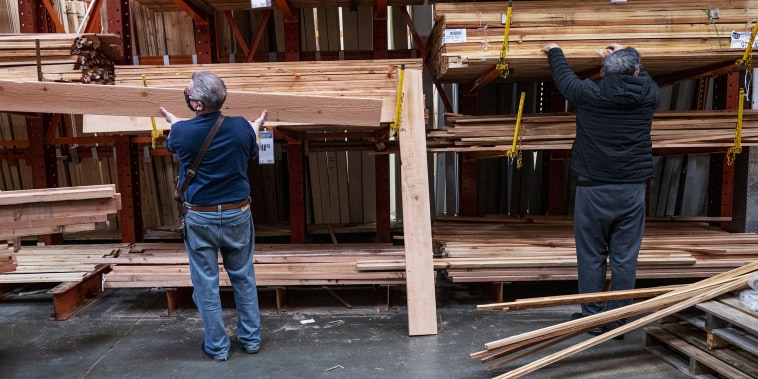
Fewer homeowners have been taking on remodeling projects, reports show. But donâ€

The Leading Indicator of Remodeling Activity, an outlook measuring home improvement and repair spending on owner-occupied homes, peaked at 17.3% in the third quarter of 2022. The LIRA has been declining since, and slid 1.2% in the first quarter of 2024 compared to the prior quarter.
The NAHB/Westlake Royal Remodeling Market Index by the National Association of Home Builders reflects a similar decline. The RMI, which measures remodelersâ€
However, the RMI is still in territory where more remodelers see the conditions as “good� rather than “poor,� said Robert Dietz, chief economist of NAHB.
In a release for the groupâ€
The height of the Covid-19 pandemic brought with it a burst of home renovation activity.
Homeowners were eager to invest in the spaces they were spending so much time in: updating key spaces like kitchens and bathrooms, building out home offices and adding pools.
Some also had savings built up thanks to stimulus checks, and from activities they couldnâ€
“Weâ€
As Covid-era savings have dried up, so has that boost in activity.
Homeowners are doing fewer and smaller remodels. Yet they are spending more per project, in part due to broader inflation and higher costs for materials and construction labor.
Homeowners spent an average $9,542 on home improvements in 2023, a 12% increase from a year prior, according to the State of Home Spending by Angi. At the same time, the amount of projects decreased to an average of 2.8 projects in 2023 from 3.2 in 2022. The survey polled 6,400 consumers between Oct. 22 and Oct. 23.
The increase in home improvement spending, along the decrease in projects, suggests inflation corroded household budgets, according to the home services website.
While home improvement activity is expected to further moderate from pandemic highs, remodelers continue to be busy with work.
Contributing to demand: Owners are living in their homes for longer and the existing housing stock in the U.S. is getting older. Both factors are going to require homeowners to invest in the upkeep of their properties, experts say.
As of 2024, the typical homeownerâ€
Itâ€
“Aging-in-place remodeling� has turned into a big subsector in the remodeling market as baby boomers move into their retirement years, said Dietz. Instead of relocating, some retirees plan to stay in their neighborhoods or close to family.
“But that means theyâ€
However, the real driver for remodels is the aging housing market. In 2021, the median age of all owned homes was 41 years old, according to the 2021 American Housing Survey by the U.S. Census Bureau. Homes built in the 1980s or earlier make up about 60% of existing stock, according to a U.S. Census data analysis by the NAHB.
“It really speaks to the fact that we havenâ€