
Iran-Israel Clash: Oil Spikes, S&P Cuts Rating, Biden Backs Ally
On Tuesday, in response to Iranâ€

The news was that a couple of people were injured after one of the missiles missed its target in the Tel Aviv area. Despite that, the enemy attack was “paltry and to little effectâ€�, as stated in President Joe Bidenâ€
Iran launched this rocket barrage at central and southern Israel primarily in response to Israeli airstrikes in southern Lebanon that killed a Hezbollah leader and an Iranian commander. The situation with Iran, Israel, and Hezbollah is getting tenser every day. However, one issue arises: why did Iran start the Israeli attack now, and what can be the larger implications of this conflict for the world economy?
S&P Downgrades Israelâ€
As the situation intensifies, the economic repercussions of Israel become more noticeable. S&P, one of the leading financial rating companies in the world, lowered Israelâ€
The continued fighting, particularly against Hezbollah in Lebanon, is likely to continue till 2025. The ongoing military conflict is further expected to cause some economic setbacks and impact tourism, construction, and agriculture within different areas.
S&Pâ€
Israelâ€
Oil Price Spike Amid Iran-Israel Escalation
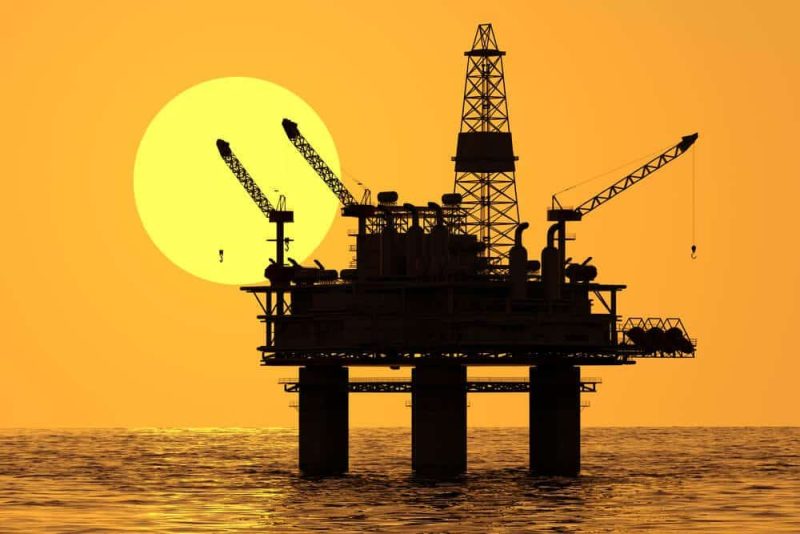
The Middle East conflict is the source of the international oil market instability. After Iranâ€
Oil market participants are closely monitoring the situation as Iran remains a top global oil producer, with over 3.3 million barrels per day of output. Iran exports around half of this, representing approximately 2% of the worldâ€
The Iran-Israel conflict directly threatens Iranâ€
The ongoing volatility in oil prices also underscores the broader risk to energy markets posed by regional conflicts. While the immediate impact of the Iran attack on Israel today is yet to be fully realised, the potential for further escalations could have more severe implications for energy security worldwide.
OPEC+ and Oil Production Cuts: A Balancing Act Amid Surging Tensions
The development during the Iran-Israel conflict raised the price of oil with the approaching OPEC+ meeting, which will be held while the members will be talking about their current production cut plans. OPEC+ is currently adhering to a plan to cut production by 5.86 million barrels per day to stabilise the prices in a market with a supply in surplus. Nevertheless, tensions are high in the Middle East, which could cause a rethinking, particularly if the conflict disturbs big oil producers in the Middle East like Iran.
It is some of the OPEC+ member countries that have faced the problem of sticking to their oil production cuts. Among these are the states of Iran and Kazakhstan. The failure to adhere to these quotas has resulted in an agreement to make compensatory cuts for the next two months. In the run-up to the groupâ€
Bidenâ€
Joe Bidenâ€
Bidenâ€
The recent Iran attack on Israel has escalated tensions between the two countries, sending shockwaves far beyond the Middle East. Global oil prices have surged, financial markets fluctuate, and geopolitical dynamics shift in response to this growing conflict. The situation is escalating rapidly, and the possibility of further attacks or retaliation is a looming threat over both regional stability and global economic conditions.
The post Iran Attacks Israel: Oil Surges, Markets React, US Supports appeared first on FinanceBrokerage.