
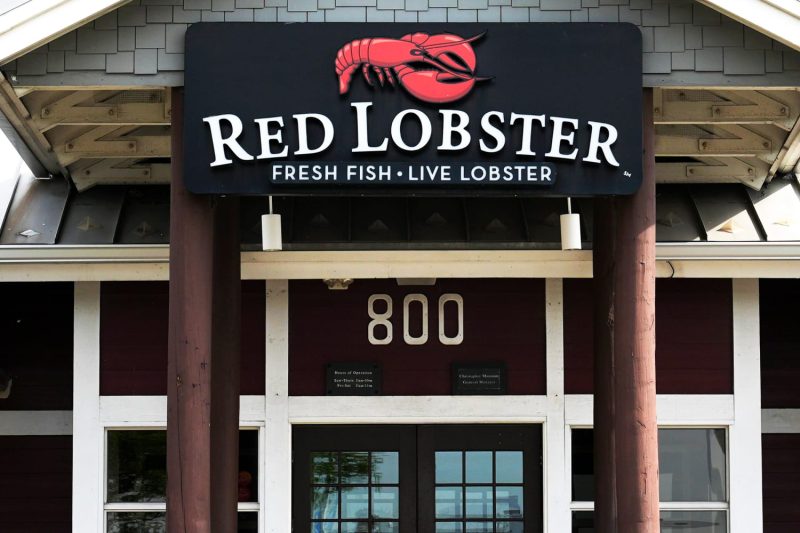
Angry that your favorite Red Lobster closed down? Wall Street wizardry had a lot to do with it.
Red Lobster was Americaâ€

Assigning blame for company failures is tricky. But some analysts say the root of Red Lobsterâ€
The technique, colloquially known as asset-stripping, has been a part of retail chain failures such as Sears, Mervynâ€
Asset-stripping occurs when an owner or investor in a company sells off some of its assets, taking the benefits for itself and hobbling the company. This practice is favored among some private-equity firms that buy companies, load them with debt to finance the purchases and hope to sell them at a profit in a few years to someone else. A common form of asset-stripping is known as a sale/leaseback and involves selling a companyâ€
In recent years, private-equity firms have invested heavily in all areas of industry, including retailers, restaurants, media and health care. Some 12 million workers are employed by private equity-backed firms, or 7 % of the workforce. Companies bought out and indebted by private equity go bankrupt 10 times more often than companies not purchased by these firms, academic research shows. In a report this month, Moodyâ€