
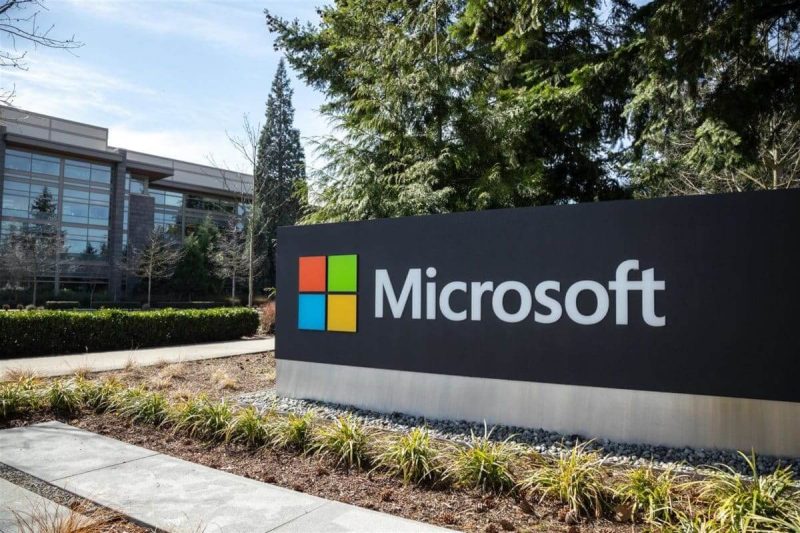
Microsoft Urges 700+ China Employees to Move Due to Sino-US Tensions
Â
On the 16th of May, 2024, Microsoft requested some of its China-based employees to consider relocating outside the country. This request comes amid escalating Sino-US tensions, specifically in the realm of advanced technology and artificial intelligence (AI). The geopolitical strain, fuelled by the United Statesâ€

May 2024: Rising Tensions Prompt Microsoft Relocation Request
Microsoft (MSFT.O) has asked 700-800 of its staff, primarily those involved in machine learning and cloud computing-related work, to explore opportunities to transfer to locations such as the United States, Ireland, Australia, and New Zealand. This optional relocation offer, extended earlier in the week of the 12th of May, targets mostly employees of Chinese nationality. The company, through a spokesperson, explained that offering internal transfer opportunities is a routine part of managing its global business operations.
Sino-US Relations Strain Behind Microsoftâ€
The primary driver behind this significant move is the strained Sino-US relations, which have intensified as both nations vie for supremacy in cutting-edge technology. Washingtonâ€
Historical Echoes: Modern Tech Tensions Reflect Cold War
The current tensions echo the dynamics of the Cold War, albeit in a modern context focused on technological dominance rather than nuclear arsenals. The Cold War era was marked by a similar atmosphere of suspicion, competition, and strategic manoeuvring between the United States and the Soviet Union. Today, the battleground has shifted to technology, with AI and semiconductor advancements at the forefront.
The United Statesâ€
Microsoft Reaffirms Long-Term Commitment to China
Despite these challenges, Microsoft has reiterated its commitment to China. The company entered the Chinese market in 1992 and has since established one of its largest R&D centres there. Microsoftâ€
The relocation offer to Chinese staff highlights the delicate balance Microsoft must strike. On one hand, the company must adhere to US regulations. On the other hand, it aims to maintain its significant presence in China. This move could potentially disrupt its operations, given that the affected employees play crucial roles in machine learning and cloud computing – two areas critical to Microsoftâ€
Broader Impacts on US-China Trade Relations
The relocation request is part of a broader context of deteriorating US-China trade relations. Days before Microsoftâ€
These measures have had notable effects on the market. For instance, Chinaâ€
AI and Tech at Heart of US-China Geopolitical Struggle
Artificial intelligence and advanced technology have become central to the power dynamics between the US and China. The development and control of these technologies are seen as critical to national security and economic prosperity. Both nations are investing heavily in AI research and development, recognizing its potential to revolutionise industries, enhance military capabilities, and drive economic growth.
One of the significant concerns driving US restrictions is the potential military applications of AI. Advanced AI technologies can be used to develop autonomous weapons systems, enhance cybersecurity capabilities, and improve intelligence gathering. The US fears that allowing China access to cutting-edge AI chips could bolster its military strength, posing a strategic threat.
Adjusting Strategy: Microsoft Boosts R&D Beyond China
In response to these geopolitical challenges, Microsoft may need to adjust its strategies. Enhancing its R&D efforts outside China, particularly in regions like the US, Europe, and Australia, could mitigate risks associated with its Chinese operations. Additionally, Microsoft might increase its investment in local talent and infrastructure to ensure continuity in its technological advancements.
Microsoftâ€
Long-Term Impact of US-China Tensions on Tech Industry
The ongoing Sino-US tensions and the associated regulatory measures are likely to have long-term implications for the global technology industry. Companies operating internationally must navigate an increasingly complex regulatory landscape, balancing compliance with strategic growth. The emphasis on technological self-sufficiency may drive countries to invest more in local R&D, fostering innovation within their borders.
As countries strive for technological independence, we may see a shift in innovation hubs. Regions that invest heavily in AI and semiconductor research could emerge as new leaders in technology, challenging the dominance of traditional tech giants. This shift could lead to a more diversified and competitive global technology landscape.
US-China Tech Relations Likely to Remain Strained
Given the current trajectory, it is likely that US-China relations will remain strained, particularly in the technology sector. The US will continue to implement measures to limit Chinaâ€
For Microsoft, navigating this complex environment will require strategic flexibility. The company may need to bolster its operations in other regions to mitigate the risks associated with its China-based activities. Additionally, Microsoft could increase its investment in local talent in countries like the US, Ireland, Australia, and New Zealand to compensate for any potential disruptions in its Chinese workforce.
Microsoftâ€
Microsoftâ€
In the long run, the interplay between technological advancements and geopolitical manoeuvring will shape the future of international business operations. Companies like Microsoft will play a crucial role in navigating this dynamic environment, balancing regulatory compliance with strategic growth initiatives. The global technology industry stands at a crossroads, with innovation, competition, and cooperation defining the path forward.
The post Microsoft Urges 700+ China Employees to Move Due to Tensions appeared first on FinanceBrokerage.