























The post US Senate’s Big Crypto Market Structure Bill Hits a Major Roadblock appeared first on Coinpedia Fintech News
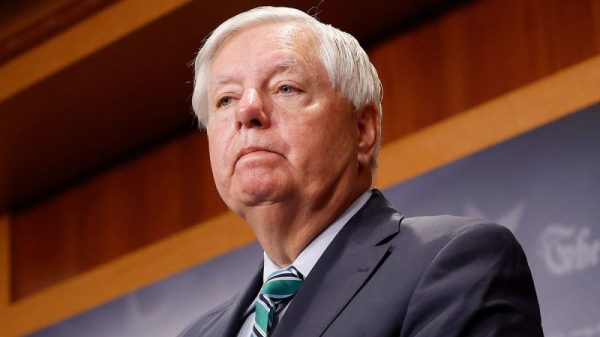
The Senate’s push to finish a crypto market-structure bill is falling apart. Party disagreements, White House resistance, and a rapidly closing timeline have turned what looked like a nearly completed bipartisan deal into a last-minute scramble. This comes even as the House has already passed its own Digital Asset Market Clarity Act and is urging the Senate to stop reworking the whole process.
Democrats Add New Demands
After weeks of steady progress, Senate Democrats released a new counterproposal outlining changes they want in the Senate’s version of the bill. The bill is based on the RFIA and split between the Agriculture Committee (CFTC oversight) and the Banking Committee (SEC and AML rules).
Democrats accept key parts of the Republican framework but want stronger rules on token classification, illicit-finance enforcement, market protections, and limits on stablecoin yields under the GENIUS Act. They also want strict ethics rules preventing public officials from trading, issuing, or profiting from crypto projects — a direct response to concerns linked to Donald Trump’s family-associated ventures.
Their requests echo concerns raised months ago and include better secondary-market protections, more disclosures for token issuers, and tighter rules to prevent platforms from claiming “decentralization” to avoid regulation. They also warn that high stablecoin yields could pull deposits away from community banks and want firm limits in place.
White House Pushback
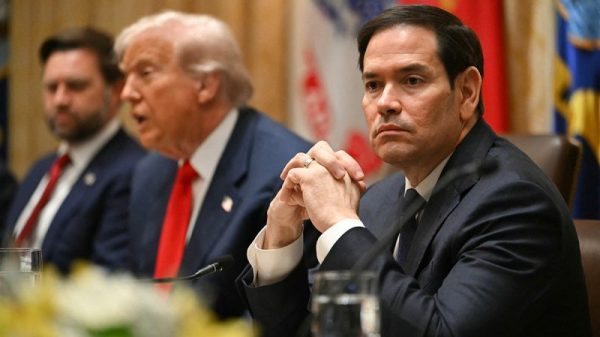
The White House has rejected the proposed ethics rules and changes to agency-nominee procedures. This has become a major obstacle for Democrats, who say they won’t move forward with a markup until these issues are addressed. Lawmakers also remain divided over how much authority the SEC and CFTC should each have — a core dispute that must be settled for any long-term crypto law.
Also Read : U.S. Lawmaker Pushes CBDC Ban Into NDAA After ‘Broken Promises’ Claim ,
Time Is Running Out
Only a few days remain before the 2025 Senate calendar ends. Missing the deadline would push negotiations into January, when midterm politics and a possible government shutdown could slow everything down even further. The longer the delay, the harder bipartisan cooperation will be.
Crypto Industry Reaction
Despite the disorder, analysts say an important shift is underway. Both parties are now accepting major parts of each other’s proposals. The debate is no longer about whether crypto legislation will pass, but what it will look like. Rules for tokens, ethics restrictions, illicit-finance protections, and limits on stablecoin yields are becoming the foundation of the first comprehensive U.S. crypto framework.
Even if the process is messy, it marks the moment when crypto begins to be treated as a permanent part of the U.S. financial system — not just an experiment.
Never Miss a Beat in the Crypto World!
Stay ahead with breaking news, expert analysis, and real-time updates on the latest trends in Bitcoin, altcoins, DeFi, NFTs, and more.
FAQs
The bill sets clear rules for regulating cryptocurrencies, defining which tokens are securities, commodities, or ancillary assets.
The White House opposes the proposed ethics rules and changes to agency-nominee procedures in the Senate bill. This resistance has become a major obstacle to moving the legislation forward.
The Senate has only days before its 2025 calendar ends. Delaying into January risks further slowdowns from midterm politics and a potential government shutdown, making bipartisan agreement harder.
Yes. Both parties now treat digital assets as a permanent part of the financial system. The debate has shifted from “should we regulate crypto?” to “what do the rules look like?” — marking the end of crypto as just an experiment.